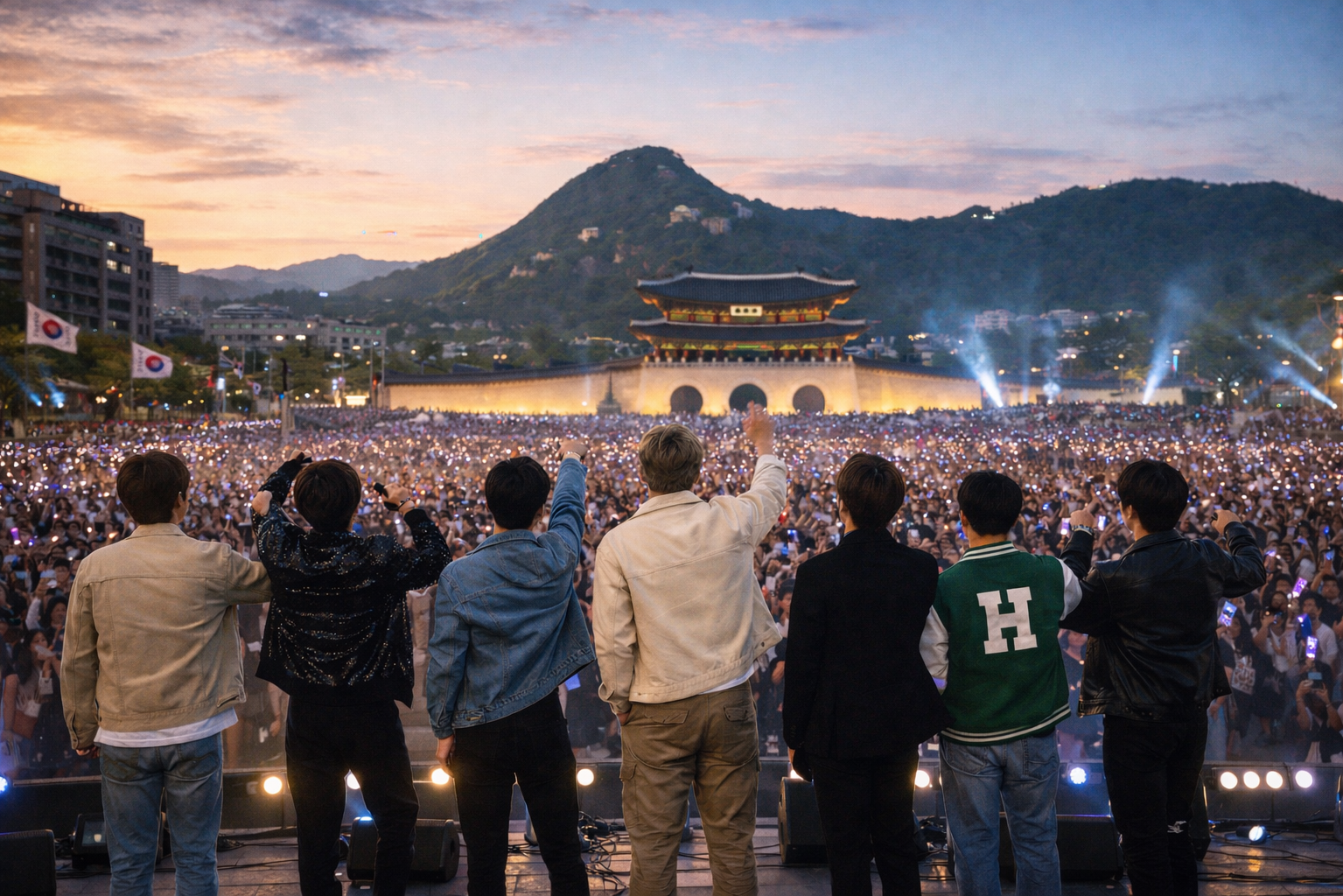
On March 21, 2026, global music history will be made at Seoul’s Gwanghwamun Plaza as BTS performs their highly anticipated comeback show after 3 years and 9 months. This isn’t just another concert—it’s a historic convergence of 629 years of Korean cultural heritage with the modern global phenomenon of K-POP.
Gwanghwamun Plaza, Korea’s premier national space positioned directly before Gyeongbokgung Palace, has witnessed centuries of Korean history since its origins as “Yukjo Street” in 1395. Today, this 126,100㎡ plaza represents the perfect fusion of traditional Korean culture and contemporary global entertainment.
This comprehensive professional guide draws directly from BTS’s actual 2026 performance planning experience, providing event organizers, concert promoters, and cultural coordinators with expert insights on navigating Seoul’s complex regulatory landscape. You’ll master strategic location selection across 7 distinct plaza zones, understand the complete 5-stage government approval process (requiring 3-6 months minimum), implement critical safety protocols to avoid permit revocation, and learn from real-world successes and challenges.
Planning a Gwanghwamun Plaza performance requires dual approval from Seoul Metropolitan Government and the Cultural Heritage Administration, comprehensive safety management systems, multi-agency coordination, and unwavering commitment to cultural preservation. This guide provides your complete roadmap to success—transforming regulatory complexity into cultural milestone achievement.
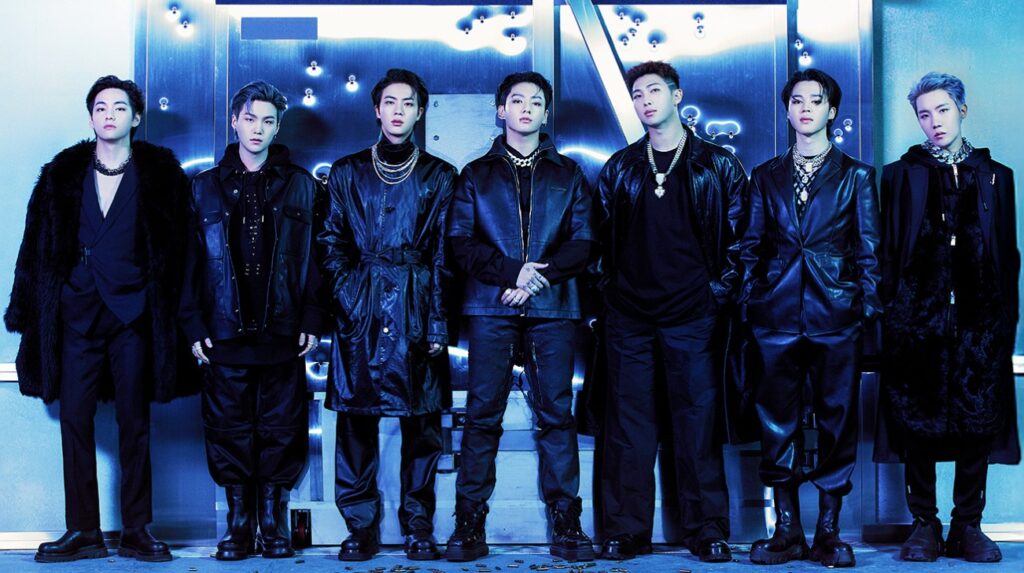
🌟 Experience BTS’s Historic Gwanghwamun Performance
Strategic Location Selection
Gwanghwamun Plaza’s 740-meter north-south axis is divided into 7 strategically distinct zones, each with unique characteristics, regulatory constraints, and production advantages. Understanding these zones is fundamental to optimal stage positioning and audience management.
Go straight to the restaurants BTS frequents
Zone Cards
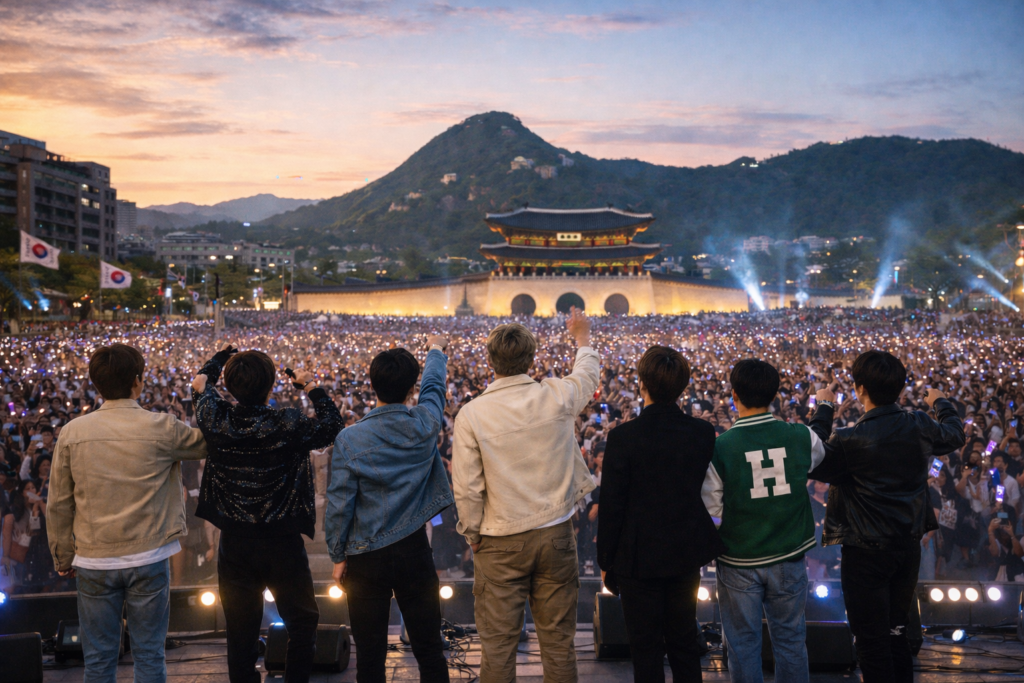
Professional Tips
- ✅Main Stage Location: Zone ③ provides optimal balance of capacity, infrastructure, visual impact, and cultural symbolism
- ✅Audience Flow Design: Implement 3-directional entry/exit strategy utilizing Gwanghwamun, Gyeongbokgung, and City Hall stations
- ✅Production Elements: Leverage Hangeul and Myeongnyang fountains for synchronized water choreography effects
- ✅LED Screen Configuration: Main screen 25m × 15m + dual side screens 10m × 8m for complete audience coverage
- ✅Safety Buffer Zones: Maintain minimum 20m clearance between stage and audience barrier per Seoul Fire Department regulations
Key Plaza Statistics
740m length × 34m width
(150,000 total with surroundings)
Lines 3, 5, 9
Since 1395
BTS 2026 Case Study
On January 22, 2026, Seoul Metropolitan Government granted conditional approval for BTS’s Gwanghwamun Plaza comeback performance. This case study analyzes strategies that succeeded, challenges encountered, and critical lessons for future event organizers.
✅ Strategies That Delivered Success
- Early Multi-Agency Coordination: HYBE initiated discussions 6 months in advance with Seoul City, Cultural Heritage Administration, and police
- K-Heritage Integration: Developed “K-Heritage meets K-POP” branding utilizing Gyeongbokgung Palace as cultural narrative anchor
- Over-Investment in Safety: Deployed 800-person dedicated safety team exceeding minimum requirements by 100%
- Infrastructure Partnerships: Secured subway frequency increase at 5 stations + deployed 100 shuttle buses
- Global Fan Communication: Pre-event guidance for international ARMYs in 12 languages
- Democratic Accessibility: Free admission maximizing public participation as national cultural event
⚠️ Challenges Requiring Solutions
- Exit Timing Coordination: Seoul City’s primary condition—prevent artist/audience departure overlap to avoid traffic paralysis
- Accommodation Price Surge: 691 hotels/hostels showing 200-300% price increases requiring government monitoring
- Crowd Density Management: Expected 150,000 total attendance pushing safety systems to maximum capacity
- International Visitor Support: 30,000+ foreign tourists from 60+ countries requiring multilingual emergency protocols
BTS Performance Statistics
📊 BTS Performance: Critical Statistics
Conclusion
🎯 Conclusion: Your Roadmap to Success
Planning a performance at Gwanghwamun Plaza represents one of the most complex—yet profoundly rewarding—achievements in event production. As BTS’s 2026 comeback show demonstrates, success requires meticulous 6+ month preparation, substantial investment, multi-agency expertise, and unwavering commitment to safety and cultural preservation.
🏆 The 7 Non-Negotiable Pillars of Success:
1️⃣ Begin Minimum 6 Months Early • 2️⃣ Over-Invest in Professional Safety • 3️⃣ Honor 629 Years of Cultural Heritage • 4️⃣ Minimize Citizen Impact • 5️⃣ Guarantee Environmental Restoration • 6️⃣ Prevent Commercial Exploitation • 7️⃣ Maintain Real-Time Agency Communication
💜 Gwanghwamun Plaza: Where 629 Years of History Meets the Future of K-POP
March 21, 2026: Witness BTS Transform Gwanghwamun Into The Ultimate K-POP Sanctuary! 🎤🏛️✨
Legal Disclaimer
📌 Legal Disclaimer & Important Notice
Document Version: February 2026 Professional Edition
This comprehensive guide is based on Seoul Metropolitan Government regulations, Cultural Heritage Administration policies, and actual BTS comeback performance planning as of February 2026. All information reflects current regulatory requirements and real-world application experiences provided for educational and professional reference purposes.
⚠️ CRITICAL: Always Verify Current Regulations
Government regulations evolve continuously. Before initiating any event planning, confirm current requirements directly with responsible agencies. This guide should not substitute professional legal consultation or direct government coordination.
🎤 Together, Let’s Create Unforgettable K-POP History at Gwanghwamun Plaza! 🏛️
© 2026 Gwanghwamun Performance Planning Guide | Educational & Professional Reference
Not affiliated with Seoul Metropolitan Government, Cultural Heritage Administration, BTS, HYBE Entertainment, or Netflix